


















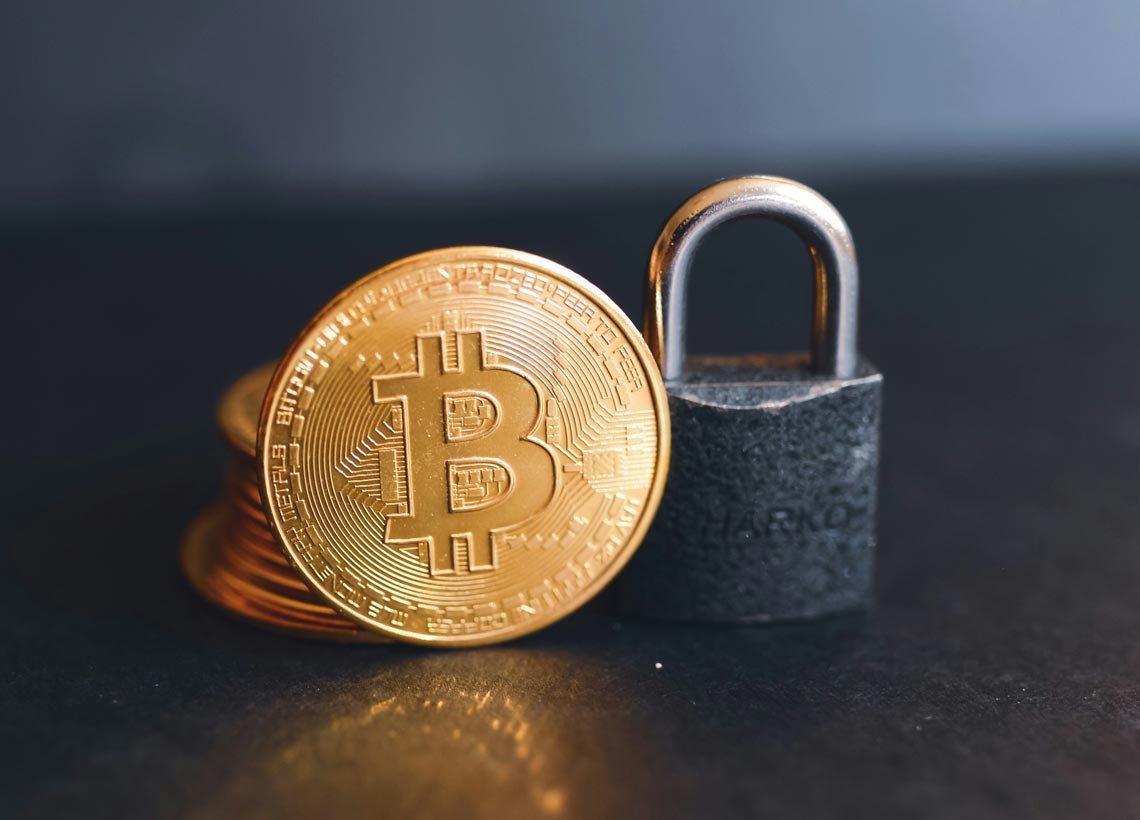
If you’ve been around crypto for more than five minutes, you’ve probably heard the phrase: “Not your keys, not your coins.” It’s true — but there’s a second part that people often forget:
Even if you control your keys, your accounts are only as safe as your personal security habits.
Two of the simplest, most overlooked defenses are enabling solid Two-Factor Authentication (2FA) and learning how to spot phishing attempts. These aren’t advanced cybersecurity tricks — they’re basic habits that can save you from losing everything to the wrong click.
Let’s break them down.
Enable Strong Two-Factor Authentication (2FA)
A surprising number of crypto users still rely on a single password to protect accounts worth thousands — or tens of thousands — of dollars. In 2025, that’s asking for trouble. Password leaks, brute-force attacks, and database breaches happen all the time.
That’s where 2FA comes in. Think of it as a second lock on the door — even if someone steals your house key, they’re not getting in without the second one.
Why You Should Use It
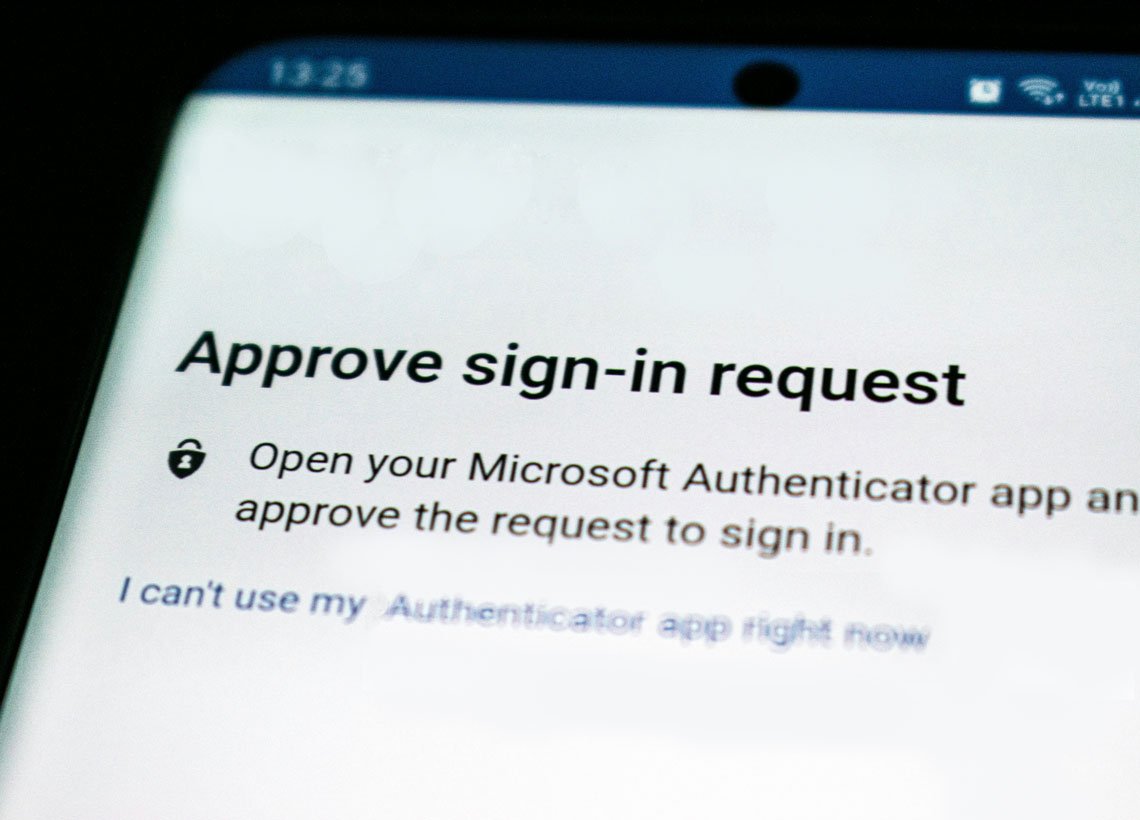
When you enable 2FA, logging in requires your password (something you know), and a time-sensitive code or physical device (something you have).
This means even if your password ends up in the wrong hands, the hacker still can’t walk right in.
What Kind of 2FA Is Best?
There’s a big difference between good 2FA and “checkbox security.”
- Authenticator apps (best blend of easy + secure) Apps like Google Authenticator, Authy, or Aegis generate constantly changing codes that are tough to intercept.
- Hardware security keys (the gold standard) Tools like YubiKey let you physically confirm each login. If you hold a lot of crypto, this is worth the investment.
- SMS codes (use only if you must) Text messages can be hijacked with SIM-swap attacks. Crypto thieves love this method. Avoid it whenever possible.
A Few Practical Tips
- Turn on 2FA for exchanges, wallets, email accounts, and anything related to your finances.
- Store backup codes offline, not in your inbox or cloud storage.
- No support team will ever ask for your 2FA code — if someone does, it’s a scam.
Just setting up proper 2FA puts you ahead of most beginners and blocks a huge percentage of attacks.
Protect Yourself from Phishing Attacks
Phishing is the crypto attacker’s favorite trick because it doesn’t target blockchains — it targets humans. And humans, even smart ones, can get tricked when they’re tired, distracted, or in a rush.
Crypto phishing comes in many flavors:
- Fake login pages that look identical to major exchanges
- Emails claiming your account is “locked” or “under review”
- DMs from people pretending to be support staff
- Suspicious WalletConnect pop-ups from unknown dApps
- Twitter or Telegram “giveaways” asking you to connect your wallet
All of them have the same goal: get you to click something you shouldn’t or hand over information you must never share.
How to Stay Safe
Here are simple habits that go a long way:
- Always double-check website URLs before entering anything.
- Bookmark the platforms you use most often (exchanges, wallets, dApps).
- Never share your seed phrase — not even with “support reps,” “devs,” or “admins.”
- Don’t click on random links in DMs, tweets, comments, or emails.
- If something feels urgent or threatening, slow down — scammers love pressure tactics.
- Double-check any dApp before connecting your wallet to it.
When in doubt, assume it’s a scam until proven otherwise.
Final Thoughts
Crypto can be exciting, profitable, and empowering — but only if you stay in control of your security. Setting up strong 2FA and developing good phishing instincts aren’t complicated, but they make a massive difference. These two steps alone protect you from the majority of common attacks that drain the crypto community every single day.
If you want, I can also rewrite this in your personal tone (casual, expert, humorous, sarcastic, etc.) — or optimize it for SEO with keywords and meta descriptions.